Preparing for Primary 1: Why Play Beats Worksheets Every Time


Role-Play Playgrounds - Singapore for Kids - World Top Top


Many parents feel the pressure building as their child approaches Primary 1. The temptation is to stock up on assessment books, sign up for preparation classes, and start drilling letters and numbers. But here is something worth considering: what if the best preparation has nothing to do with worksheets at all? Educators remind us that the early weeks of Primary 1 are not about heavy academics. They focus on adapting to new routines, managing emotions, and learning to get along with peers. A child who can wait their turn, ask for help politely, and bounce back after a disappointment is already ahead of the game. These skills do not come from workbooks. They come from everyday moments like role-playing as a shopkeeper, reading stories together, or simply letting your child figure out how to handle a small problem on their own.

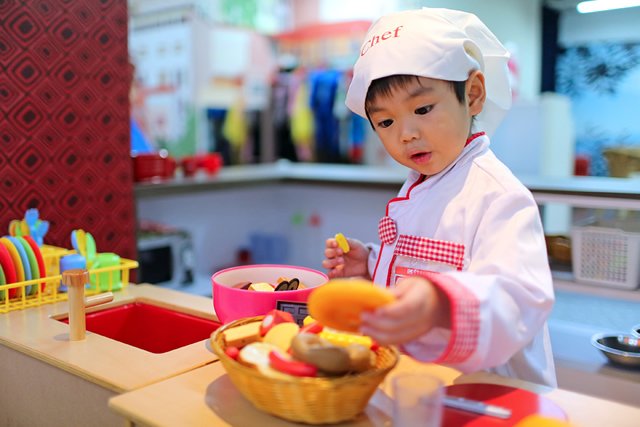
Think of a child learning through pretend play at home, perhaps selling food items to a parent and handling play money. This simple activity quietly teaches counting, communication, and patience. Or picture a parent pausing during a storybook to ask how a character might feel. That brief conversation builds emotional vocabulary and helps a child make sense of right and wrong. Research shows that children who struggle with emotional regulation often find it harder to focus, recover from upsets, and connect with classmates. On the other hand, children who can name their feelings and cope with frustration tend to engage more confidently at school. The good news is that these abilities grow naturally through daily experiences, conversations, and play-based exploration rather than formal drills.

At Sheffield Kidsworld in Singapore, we see these ideas come to life every day with our preschoolers. Through imaginative play, guided reading, and gentle coaching, children practise the real skills they need for Primary 1 and beyond. Our teachers create space for choice-making, problem-solving, and reflection so that little learners can discover what works and try again when things do not go as planned. We also keep parents in the loop because home and school are partners in this journey. Safe boundaries are always in place, but within them, your child has room to explore, grow, and build the confidence that no stack of assessment books can ever give. We believe the best preparation for school is a child who feels capable, curious, and ready to take on new challenges with a steady heart.

Comments

Popular posts from this blog

Nurturing Lifelong Skills at Sheffield Kidsworld

Children’s development goes beyond mastering ABCs and 123s—it also includes learning how to handle challenging social situations like bullying. Recent reports emphasize that a strong “defence” against bullying is to be socially skilled, which means knowing how to make and maintain positive friendships, communicate assertively, and offer support to peers. At Sheffield Kidsworld, we see this as an essential life skill: when children feel safe, connected, and empathic toward others, they’re better equipped to prevent, confront, or seek help when bullying occurs.   Through hands-on activities and guided play, our nurturing environment helps children practice the very skills that deter bullying—cooperation, empathy, and conflict resolution. For instance, group projects or imaginative storytelling sessions teach children to express their feelings, appreciate others’ perspectives, and negotiate gently when disagreements arise. Teachers also emphasize the power of bystanders; children lear...

Nurturing Lifelong Skills at Sheffield Kidsworld

  Children’s development goes beyond learning ABCs and 123s—it’s about fostering a positive attitude towards learning, cultivating creative problem-solving skills, and building essential traits like resilience, confidence, and emotional regulation. When young minds are encouraged to ask questions and view mistakes as opportunities for growth, they develop curiosity and a love for discovery that extends into every area of their lives. At Sheffield Kidsworld, we recognize that these “traits for life” form the backbone of a child’s future success and well-being. Through hands-on activities and guided play, our nurturing environment helps children learn to bounce back from setbacks, celebrate each other’s ideas, and communicate big feelings in healthy ways. Whether they’re cooperating on a craft project, brainstorming solutions to a puzzle, or practicing “calm-down” strategies when overwhelmed, children gain real-life experience in problem-solving. Our teachers gently guide them to ref...

Enhancing Social and Emotional Skills Through Preschool Role-play

  As young children navigate their early learning years, developing strong social and emotional skills is essential for their overall growth. Recent research and innovative programs emphasize the importance of role-play activities in preschool settings to nurture these critical abilities. For instance, children engaging in imaginative scenarios like pretending to manage a supermarket or cooperating to solve everyday problems learn to regulate their emotions, make responsible decisions, and collaborate effectively. Creating environments that encourage guided yet flexible play empowers children to become adaptable, confident, and resilient learners. Structured role-play activities not only support emotional regulation but also enhance problem-solving and teamwork skills among preschoolers. Activities such as simulating everyday scenarios help children practice managing frustrations, negotiating roles, and empathizing with peers. This experiential approach fosters emotional intelligen...